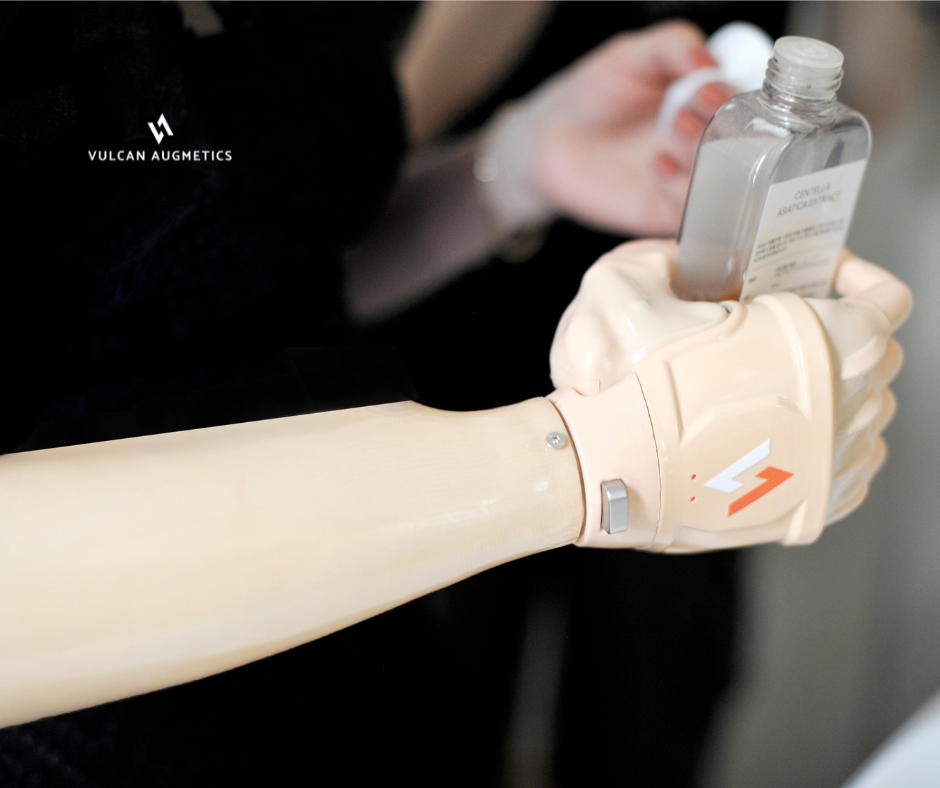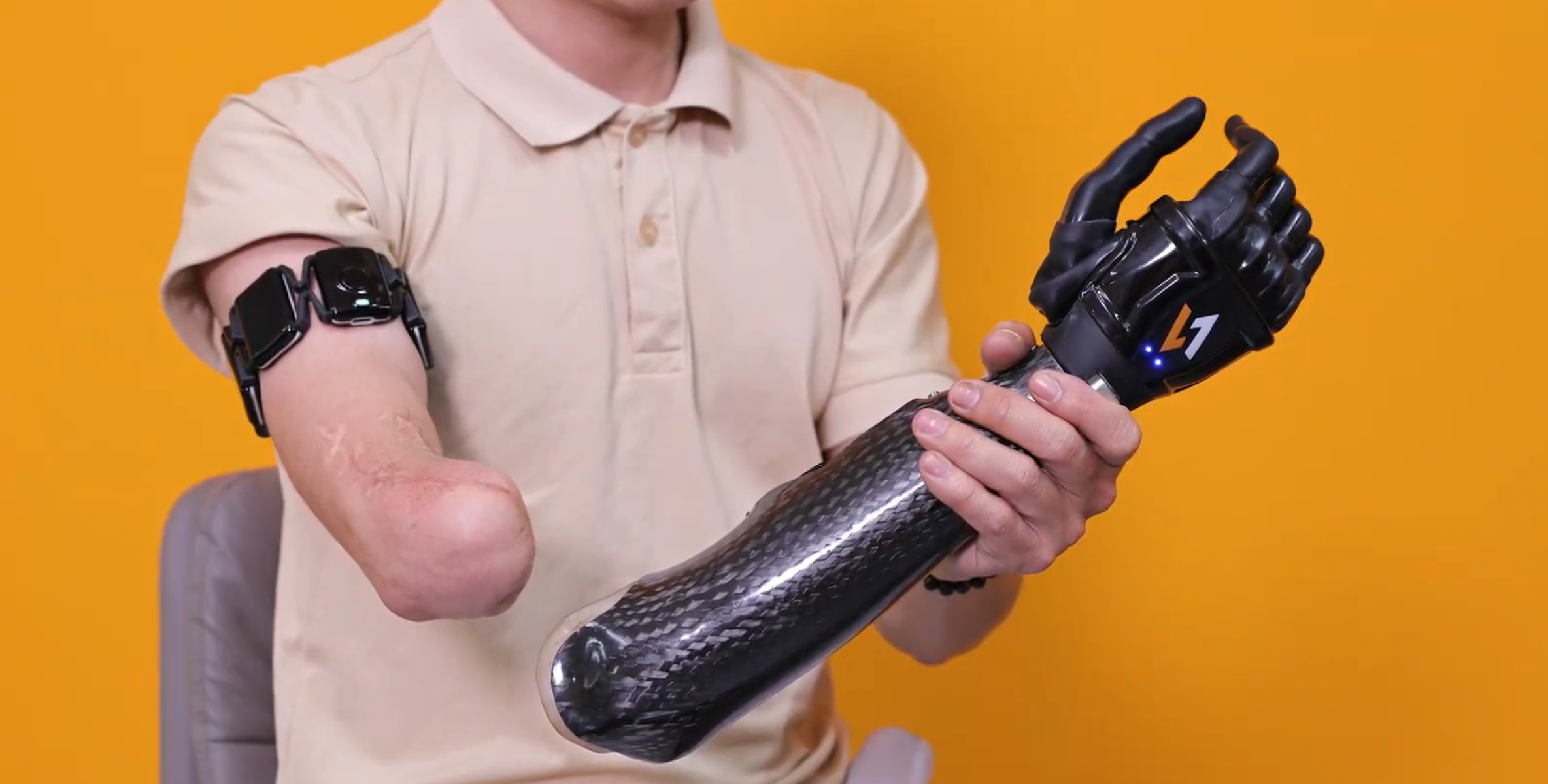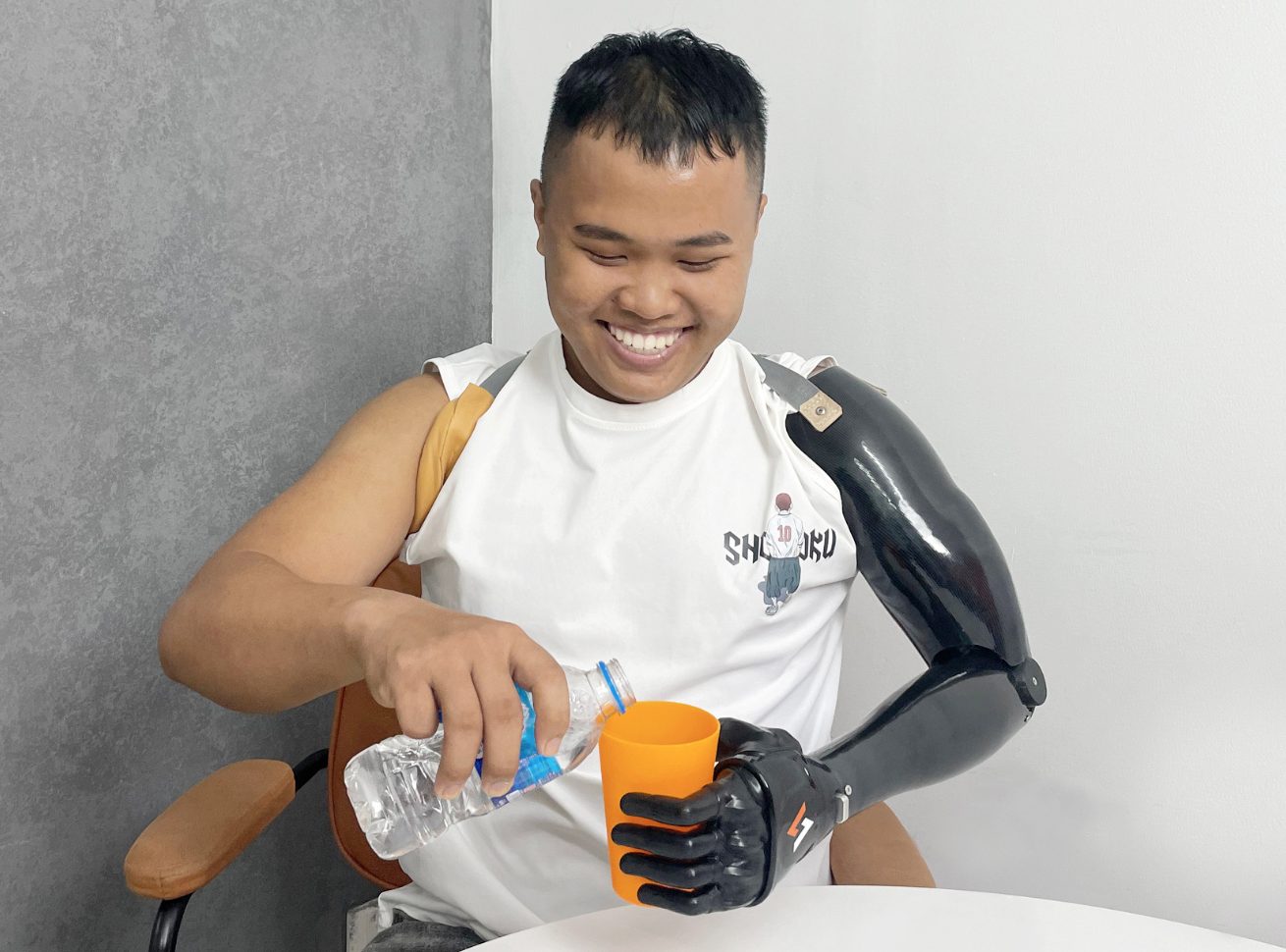

The Vulcan Myoband is designed not only to improve prosthetic control for patients, but also to simplify the clinical workflow for healthcare providers and partners across the prosthetic ecosystem. By combining wearable biosignal sensing, adaptive signal processing, and wireless control architecture, the system delivers practical advantages for patients, clinicians, physicians, and distributors.
Improved Control for Patients
Instead of requiring strong or perfectly isolated contractions, the system recognizes subtle changes in muscle activation. This allows more patients to achieve functional control with less effort and a shorter learning curve.
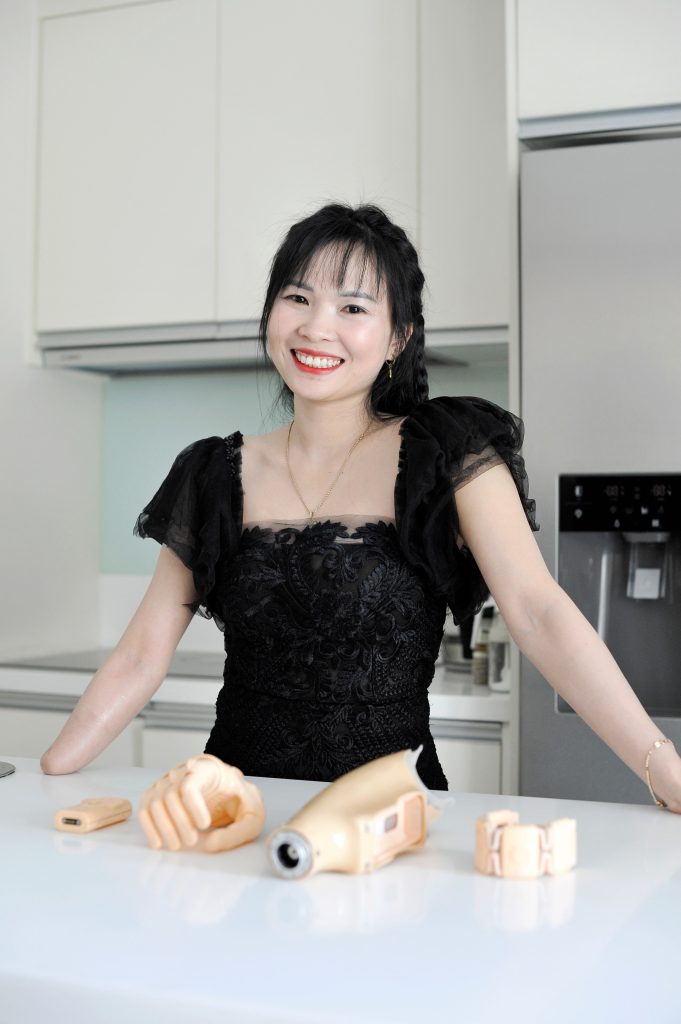
- Lower effort during control: Detects small increases in muscle activity above the resting state to set the threshold levels for different commands, such as closing or opening the hand, reducing the need for strong or forceful contractions to operate the hand. Patients can achieve a fast adaptation and be able to control Vulcan hands effectively after 30 minutes of training.
- Accessible for more limb conditions: Can work well for patients with weak EMG signals, short residual limbs, or complex tissue conditions. Because the Myoband uses multiple EMG sensing points distributed around the upper arm, it can capture signals from several muscle regions simultaneously, even when individual muscle sites are difficult to isolate.
- More stable daily use: Unlike traditional myoelectric electrodes which are typically embedded inside the prosthetic socket, the wearable design of Myoband helps the sensors to maintain more consistent skin contact during natural arm movement such as lifting objects or reaching.
- Less sensitivity to electrode placement: Many traditional myoelectric systems require precise electrode placement directly over specific muscle bellies to obtain a stable signal. This can make the fitting process more complex and may require frequent adjustments. The Myoband’s multi-channel sensing architecture which is external to the socket reduces dependence on precise electrode placement inside the prosthetic socket.
- Improved long-term usability: Residual limb conditions often change over time due to muscle adaptation, weight fluctuations, or tissue remodeling. These changes can affect electrode alignment in traditional socket-based systems. Myoband’s wearable design reduces the need for frequent repositioning or socket modification.
Simplified Clinical Fitting Workflow
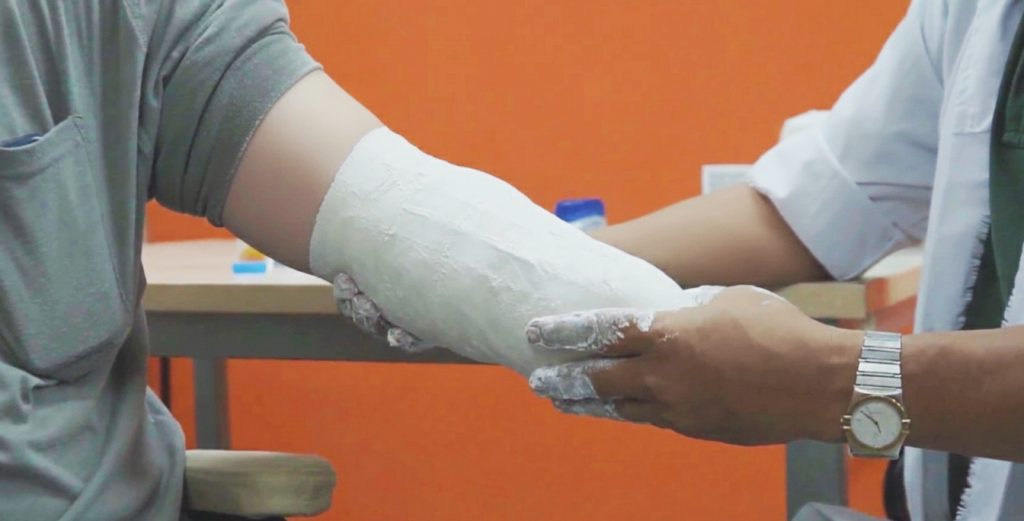
For prosthetists and clinical technicians, the Myoband’s flexibility can help reduce setup time, simplify adjustments, and improve fitting efficiency in daily clinical practice by:
- Reduced Need for Extensive Myosite Hunting: Multi-EMG channels distributed around the upper arm allow the system to capture muscle activity from multiple regions simultaneously. This increases the likelihood of identifying usable signals quickly and can significantly reduce the time clinicians spend searching for ideal myosites during the initial fitting.
- Early Signal Evaluation Before Socket Fabrication: Because the Myoband is worn externally, clinicians can assess real-time EMG signal quality directly on the patient’s arm before finalizing socket design. Clear on-screen signal visualization supports faster clinical decision-making and helps confirm control feasibility early, reducing the risk of major post-fabrication adjustments.
- Greater Flexibility Across Different Limb Conditions: The distributed sensing architecture enables signal capture from several muscle areas, making the system more adaptable for patients with scar tissue, skin grafts, soft-tissue variation, or irregular muscle distribution. This allows clinicians to configure functional control across a wider range of residual limb presentations.
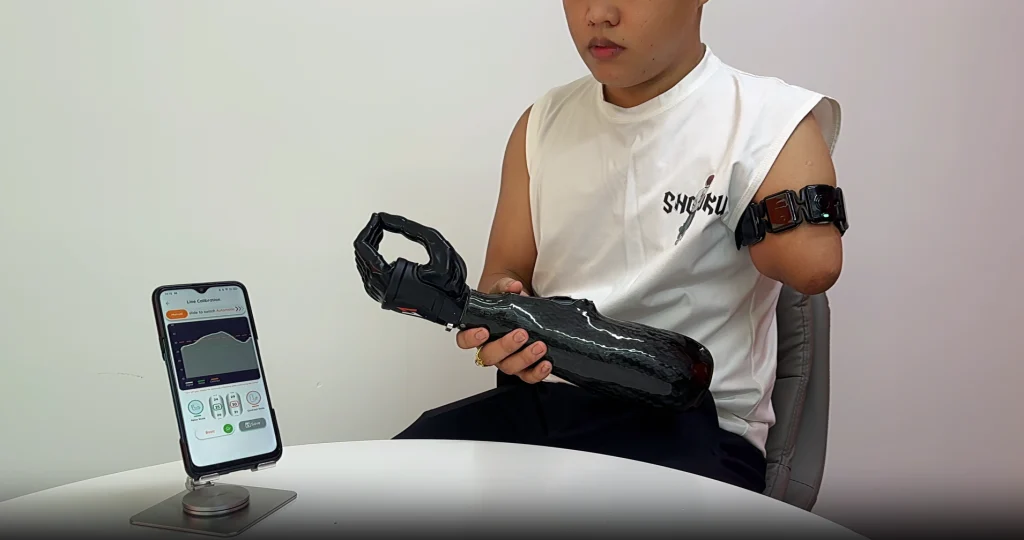
- Faster and More Efficient Fitting Workflow: Software-based calibration allows clinicians to verify muscle activation and configure control in under a minute, minimizing repeated hardware adjustments or electrode repositioning. As an external device with no embedded wiring, the Myoband can also simplify socket fabrication and streamline the overall fitting process.
- Fewer Adjustments During Follow-Up Visits: Because sensing is independent of socket-embedded electrodes, changes in limb volume or tissue condition can often be managed by simply adjusting or replacing the Myoband. This reduces the likelihood of full socket refabrication and supports morestable long-term clinical outcomes, fewer followup adjustments for both patients and providers.
Expanded Opportunities for Rehabilitation Teams
1. Rapid, Patient-Specific Calibration
The Vulcan ecosystem can perform automatic signal calibration in under 60 seconds, identifying individualized muscle contraction and relaxation thresholds. Clinicians can then fine-tune parameters through the mobile app to optimize control sensitivity and responsiveness based on each patient’s rehabilitation progress.
This technology helps establish a personalized control profile quickly, reducing the time required to initiate functional training.
2. Faster Motor Learning and Functional Engagement
Because control is based on natural muscle activation, many patients can begin basic task-oriented training soon after fitting. In clinical practice, some patients are able to perform simple functional exercises, such as holding a cup, writing, grasping paper, or peeling fruit, after a short 30-minute-familiarization session.
3. Potential for Earlier Prosthetic Adoption
By simplifying signal detection and accelerating control training, the Myoband may help rehabilitation teams introduce myoelectric prostheses earlier in the recovery timeline, when appropriate from a medical standpoint.
Earlier exposure to functional prosthetic use can contribute to:
- improved long-term acceptance of the device
- more consistent participation in therapy
- better functional integration into daily activities
Scalable Solutions for Distributors and Providers
1. Easy Integration Into Existing Prosthetic Workflows
The Myoband’s wearable, modular architecture and wireless connectivity allow seamless integration with current prosthetic systems, reducing technical barriers during setup and configuration.
2. Scalable Solution for Diverse Markets
A streamlined fitting process and external sensor design help lower operational complexity, enabling clinics to deliver myoelectric solutions more efficiently while supporting a wider range of patient needs. The Vulcan ecosystem also supports consistent service delivery across some different regions, practice settings, and patient populations, as a result, providers can deliver reliable myoelectric solutions with greater efficiency and scalability.
Explore Clinical Integration To review technical specifications, request system documentation, or discuss integrating the Vulcan ecosystem into your clinical practice, please contact our partnership team.